-50x50w.jpg)


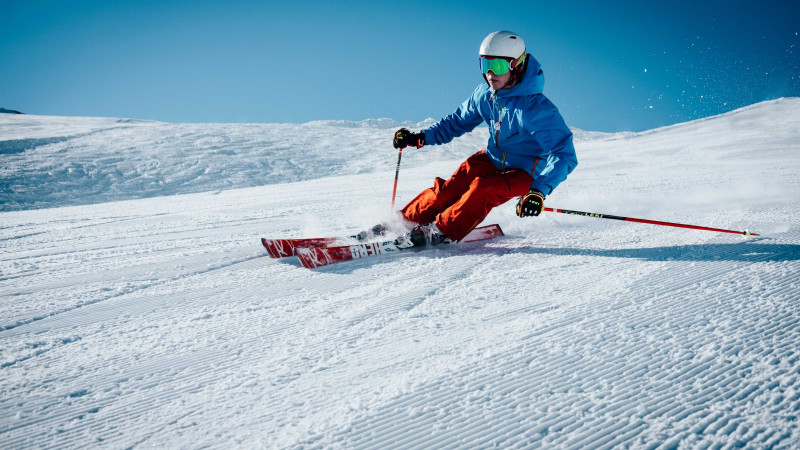
2025 News: quick guide to choosing ski and snowboard gear
The 2025 season brings lighter skis, more stable boards, and technical apparel with excellent breathability. This guide helps you choose skis, boards, boots, clothing, helmets, and goggles correctly.
Key trends in 2025
- Hybrid wood + carbon cores: reduced weight, stability at speed, controlled vibrations.
- Versatile profiles: camber under bindings with moderate rocker for float in powder.
- 3-layer fabrics & PFC-free DWR: 20k/20k protection and high breathability.
- Out-of-the-box bootfitting: thermo-moldable liners and adjustable footbeds.
- Improved safety: helmets with anti-rotation tech and goggles with photochromic lenses.
How to choose the right skis
Waist width: 82–90 mm for all-mountain use; 100 mm+ for powder; under 80 mm for groomed carving.
Length: beginners/intermediates — between chin and nose; advanced — close to full body height.
Flex: soft for forgiveness, medium for versatility, stiff for high-speed stability.
Turn radius: 13–16 m for medium turns; under 12 m for slalom; 17 m+ for GS and long lines.
How to choose a snowboard
Profile: hybrid (camber+rocker) for versatility; classic camber for stability; strong rocker for maneuverability and powder.
Shape: directional for all-mountain/freeride; twin for park and switch.
Length guideline: board height should reach between chin and nose; adjust for weight and style (shorter = more maneuverable, longer = more stable).
Flex: 3–4 for beginners/park; 5–6 for all-mountain; 7–8 for freeride/aggressive riders.
Ski boots: fit and control
Flex index: 70–90 for beginners/intermediates; 100–110 for sporty all-mountain; 120+ for advanced/race.
Fit: shell check (1–2 fingers at heel) and thermo-moldable liner for comfort and precise control.
Technical clothing: proper layering
- Base layer: merino wool or fast-drying synthetics.
- Mid layer: fleece or insulated for warmth retention.
- Shell: 10k–20k membranes, taped seams, underarm vents.
- Useful details: powder skirts, zippered pockets, adjustable cuffs, DWR coating.
Helmet & goggles: visibility and safety
Helmet: fine adjustment, goggle-compatible, removable lining; anti-rotation systems recommended for brain protection.
Goggles: cylindrical or spherical lenses, anti-fog coating, ventilation; photochromic for changing light; quick lens change systems for storm vs. sun.
Maintenance & seasonal service
- Edge sharpening: 88–90° for grip on ice, fine polish for speed.
- Waxing: cold, universal, or warm wax depending on snow; apply regularly for glide.
- Binding check: tight screws, correct DIN setting for weight and level.
- Storage: dry, bindings not under tension, protective wax layer off-season.
Quick size charts (approx.)
Skis: body height −10 to 0 cm (beginner → advanced).
Snowboard: body height −15 to −5 cm; add 1–2 cm for freeride stability.
Boots: Mondopoint = foot length in cm (e.g. 27.5 cm → Mondo 27.5).
Note: adapt according to weight, strength, and riding style.